"Please tell my tenants that you're an insurer, not a buyer"
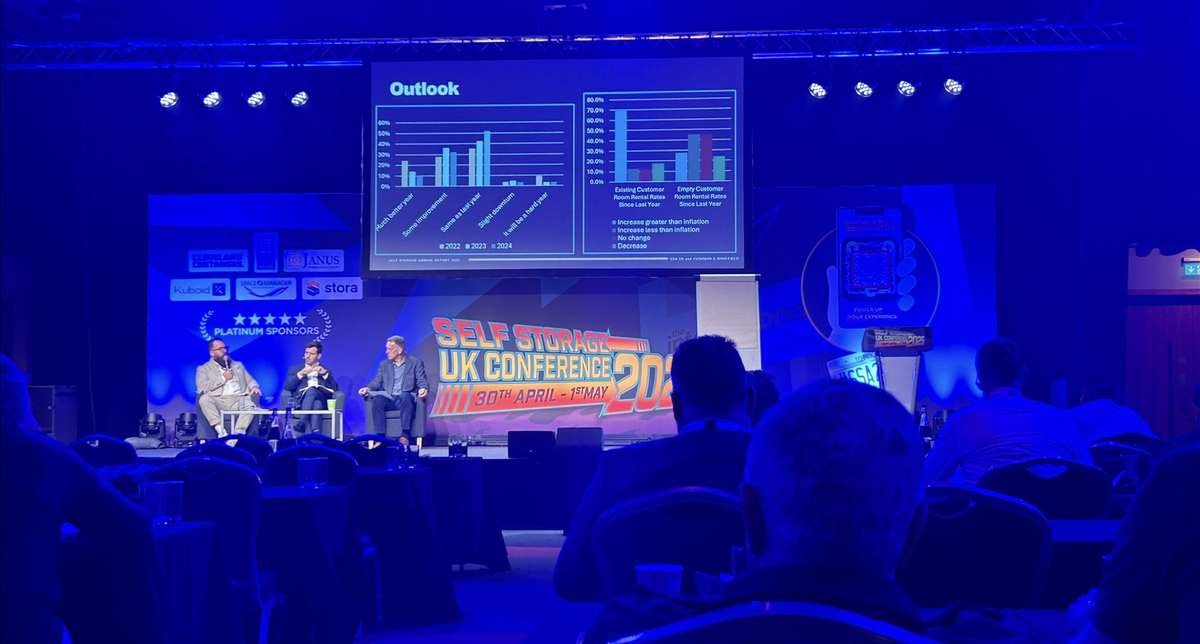
Commercial property transactions are often negotiations around uncertainty rather than just buildings that need to be sold. Identifying the owners motivations early on and coming up with a solution that reduces friction is what creates deals that complete. I was at a commercial property conference last year and I approached an owner by one of the stands. He mentioned he was looking to retire soon and sell off his business centre so we exchanged contact details and I arranged a viewing a few weeks later.
Why owners don't just care about price
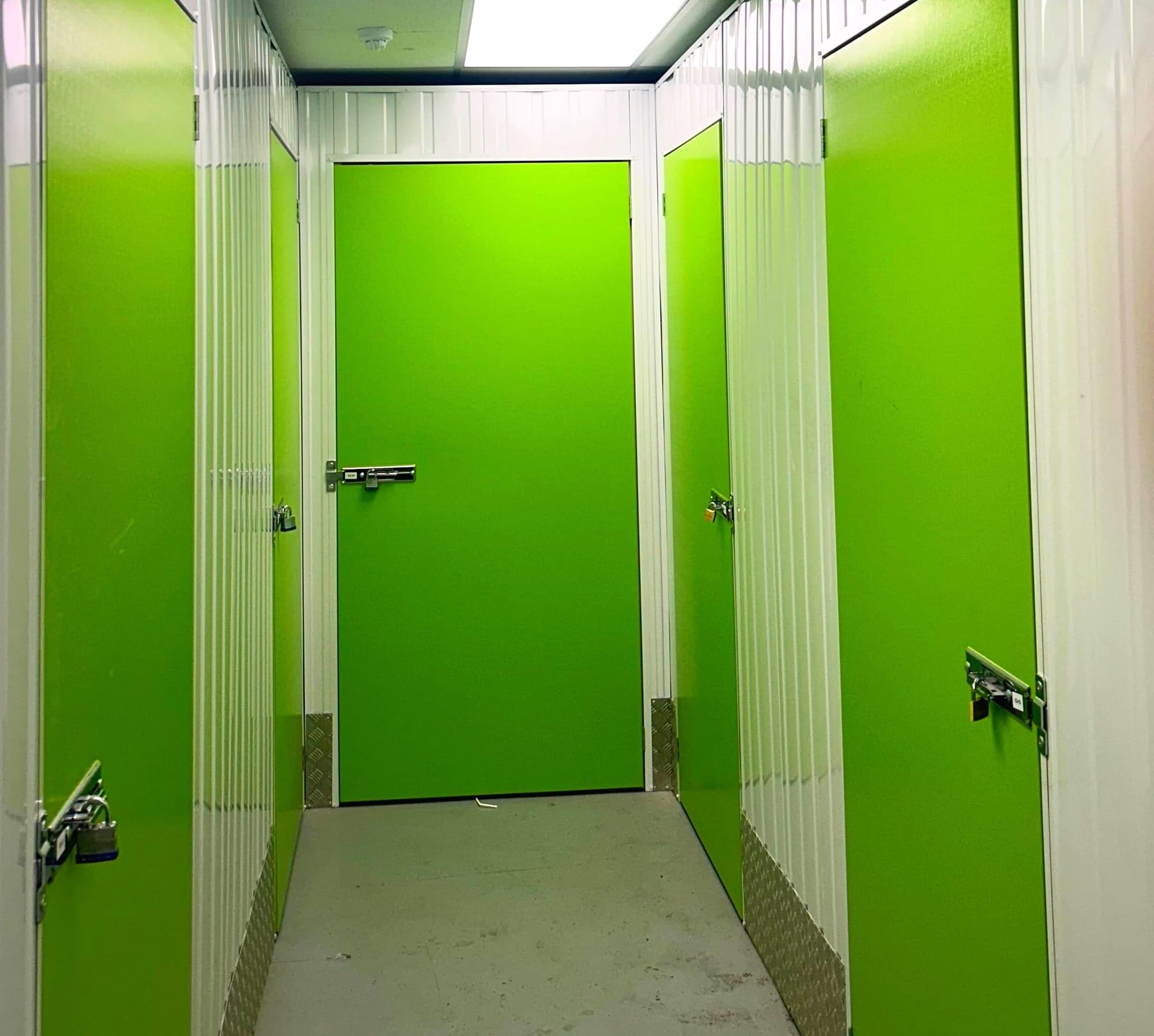
I visited the 20,000 sq ft site which had offices and storage units on a busy main road in the North of England. The property was owned in his name and through a SIPP with his business partner. It was originally a dilapidated mill that had been converted into a high-end office and storage facility including multi-let industrial units (the previous mill was in serious need of some TLC so I was very impressed with the transformation!). I could tell when walking around the site that the owner was proud of what he'd built over the years and was sad to see the site go. He was looking forward to retiring and spending more time with his family.
When I arrived at the viewing he pulled me to the side and said "please tell my tenants and staff you're an insurer, not a buyer". The owner wanted a quiet sale that wouldn't worry his tenants and a smooth transition that wouldn't impact his staff. By giving the owner the confidence that you'll provide a smooth close with minimal disruption you position yourself as a credible buyer.
Up to this point I was always under the impression that some owners just wanted the highest possible price which is why they often test the open-market first at a premium. There are disadvantages to this approach, however, as above market value properties frequently fall over later on during the valuation stage which can waste a lot of time and money for everyone involved. The delta between the price and the valuation often has to be plugged with cash, which strains the buyer's liquidity and adds to their execution risk if an early sale is required (such as planning not being approved!).
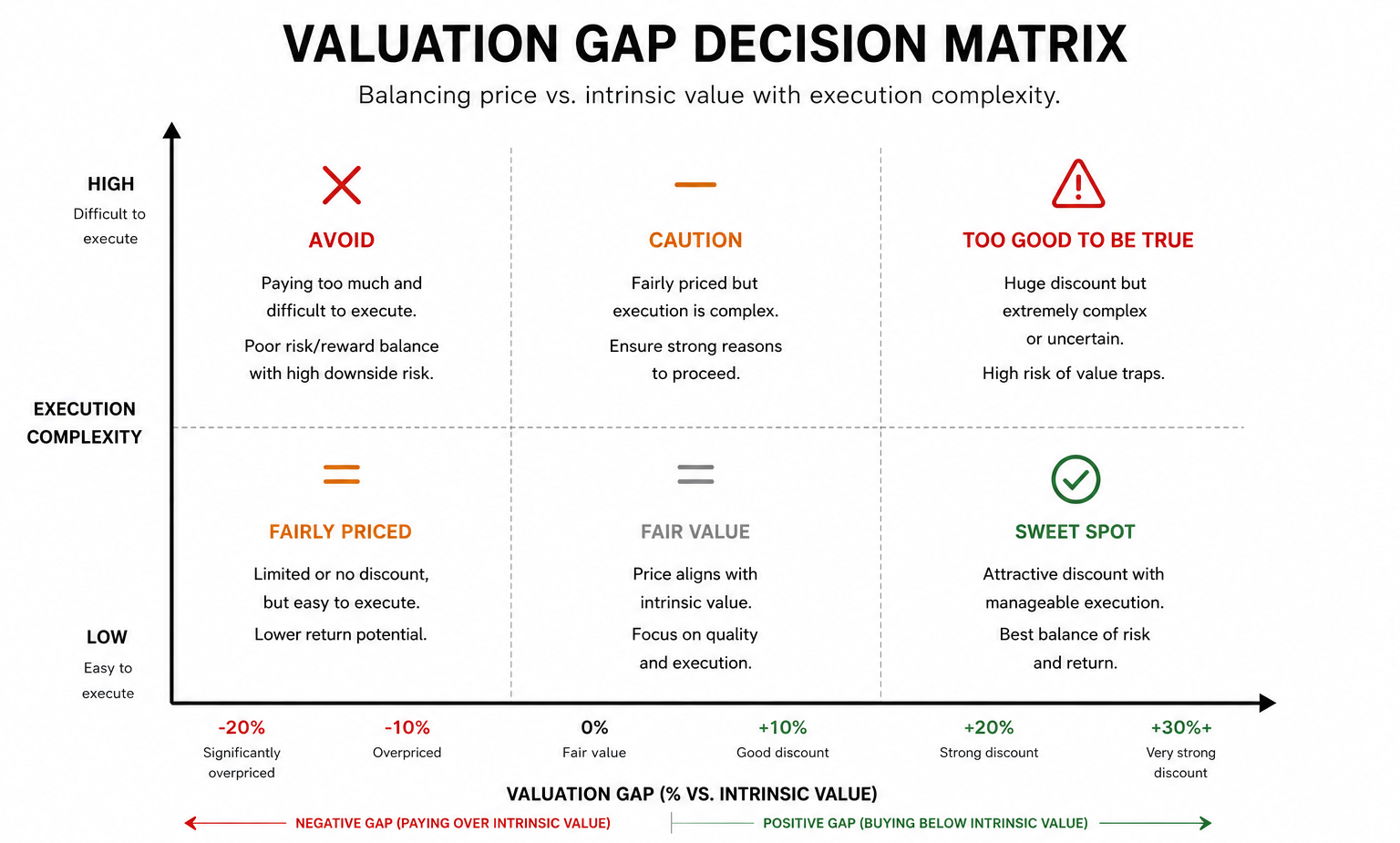
The site had been well looked after, sat on a very busy arterial road and it was fully occupied with minimal voids. I made an offer based on its current EBITDA at an attractive yield and waited eagerly for the owner's thoughts. Then we ran into a key issue (and it wasn't the tenants!). The owner hadn't been consistent with raising rents over the years and argued that the current rents didn't reflect the market. This would've increased the value of the site significantly and these rent increases hadn't been realised yet (if the tenant's decided to leave I'd be in trouble). I politely declined and moved on. It reminded me how offer's based on future value carry inherent risk and having this conversation early in the process to set expectation saves a lot of time viewing income-based properties that aren't viable from the start.
Hidden friction inside businesses
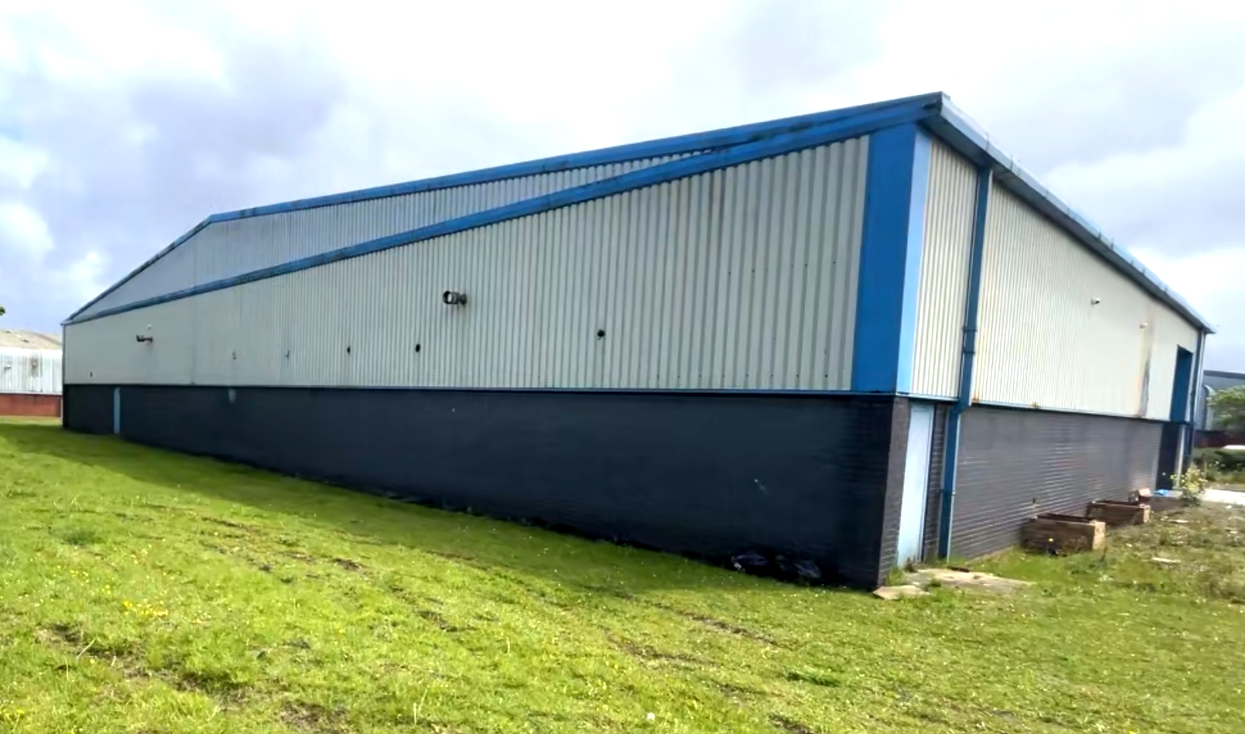
Tenants in-situ can also add significant risk to potential deals. I visited a long-leasehold site in the North of England that had around 95 years left on the lease which wasn't ideal but not a deal-breaker from a lender's perspective. The property was tenanted, and the agent mentioned that the current tenant's had been served notice. During the viewing, I asked the agent about the current tenant's situation. It turns out they were refusing to leave and wanted to buy the site from the owner. I was told that I'd be able to get them out as their lease would not have been renewed, but this introduced significant risk to the deal. If I served them notice and had to take them to court I could end up with 6+ months of holdings costs. They could also refuse to pay rent during this period which would further impact my cashflow.
On top of this, due to the leasehold nature of the site, any changes to the interior or exterior, including adding fencing and an automated gate would have to be signed off with the landlord first. This is an example of a deal where multiple execution risks were stacked on top of each other , so I decided to drop it and move on. One or two execution risks are manageable, but when they start stacking, and you have to get more and more creative with deal structure, this is a sign that the time spent on the deal is a sunk cost. It's time to move on.
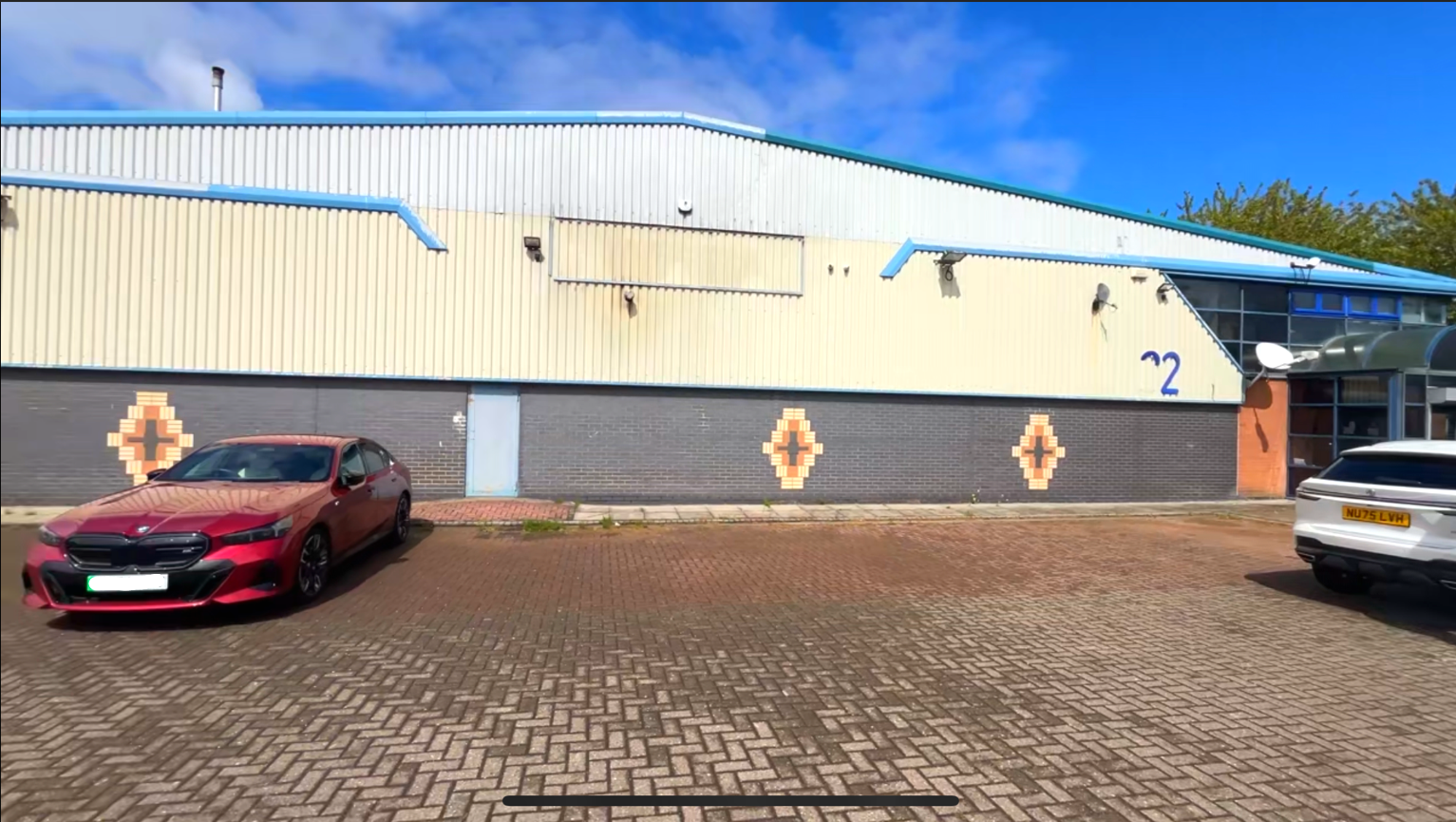
The owner's relationship with the tenant is another factor that should be considered in your underwriting. I sent a letter to the owner of a 15,000 sq ft warehouse in the Midlands that had high eaves internally, was self-contained and located in a busy industrial estate. The owner called me and gave me some background about the site. It was currently being used for a printing business owned by his brother, but he was looking to extract the capital so the brothers business would need to be relocated. He explained that the costs of moving the heavy machinery and operations would be at least £100,000 and that he wanted above market value for the site.
In situations like this it's always worth getting written agreement from the owner that the current tenant will leave before completion and checking the lease agreement for any gotcha's (some of these agreements have some worrying clauses so always get a legal professional to check!). When there's family dynamics involved like this, you want watertight agreements before instructing legals to avoid wasting money if one of the family members isn't on board.
Timing and psychology
Many owners have a sense of pride attached to their buildings which is understandable with the amount of work that goes into these sites over the years. I spoke to the owner of a 10,000 sq ft building in Yorkshire that had around 50% office and 50% warehouse space. Due to the significant office allocation the refurb costs were coming in on the higher end as I planned to open it up and convert it into self-storage. I used base rents for Yorkshire as I'd shopped some nearby markets so thought it would likely come in at similar rents. Due to the execution risk, I used a moderate yield to create an offer that met my returns threshold. I sent the owner my offer and waited eagerly for his response.
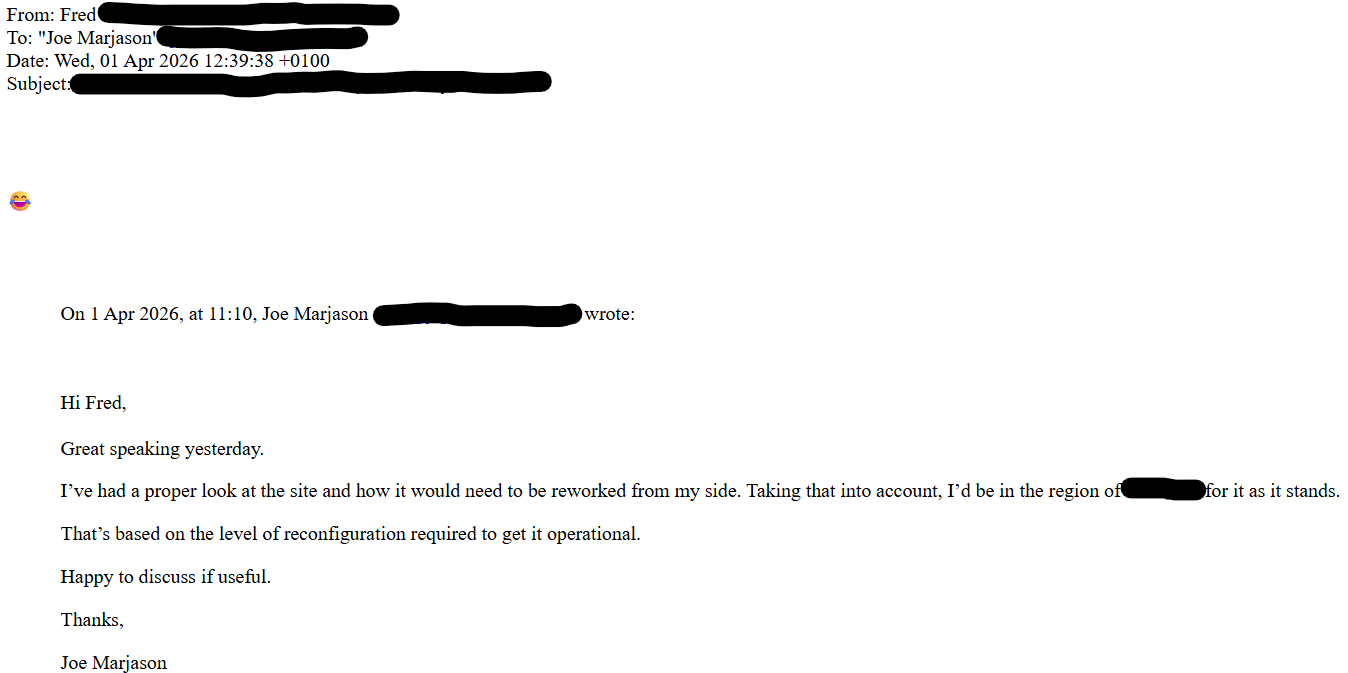
Later that day I received a single laughing emoji over email with no further feedback. I got the distinct impression he wasn't pleased with my offer as I received no further responses after this. I was intrigued to know why my offer was so far off his expectations. So I shopped the local market to see if there may have been a discrepancy. This is when I realised that local rents were 33% higher than I thought which resulted in my offer being around £300k short of the market rate (No wonder he was so pleased!). Shopping the local market prior to making an offer is key and going off market averages can leave you in the lurch if you anchor too low.
I approached an owner of a vehicle accident repair centre in Yorkshire who mentioned he intended to retire. He wanted to sell the property and then have it leased back to him for 3 years until his retirement. He asked what I planned to do with the site and I mentioned planned to refurbish it. To my confusion this seemed to rub him up the wrong way as he said the site was in perfect order and had won multiple awards. He then started referring to me as “kiddie” which I hadn't heard in some time! I eventually got a ballpark figure from him for the site that he based on an offer he received from another party. Because of the conversion angle and price it was a non-starter so we exchanged details and parted ways. Because I'd be repurposing the site I should have led with this before mentioning refurbishment so we built a better rapport.
I came across a site in Lancashire that looked like it would be perfect for converting to self-storage. It had a regular floor plate, high eaves and was located in an underserved market. I managed to get the owner's contact details and made a cold call. I got through to his partner and explained that I was interested in purchasing the site. She ended up running a credit check on me whilst I was speaking to her on the call which I found very amusing (I was interested to know my score!). It came back okay, and she mentioned the property was currently tenanted and that she would speak to her partner about whether they'd be interested in selling but wouldn't confirm how long was left on the lease.
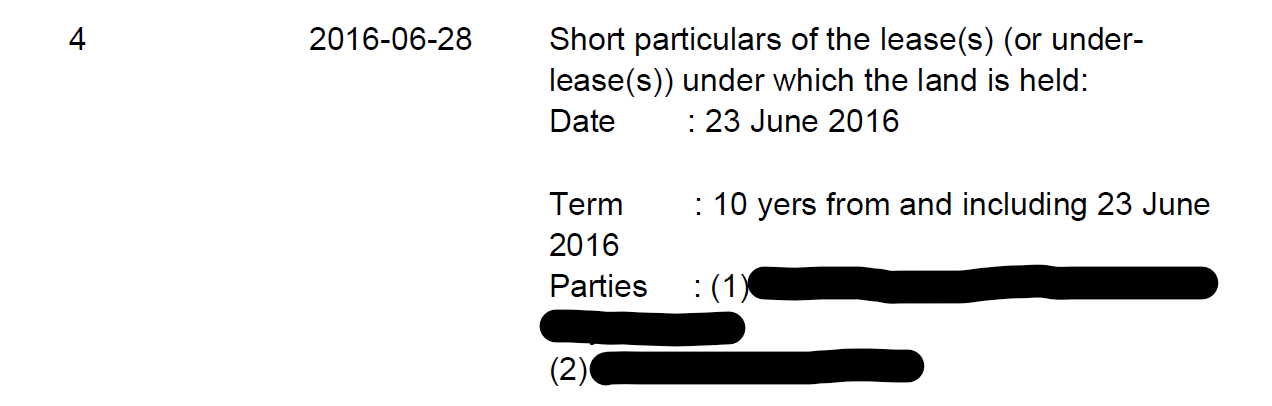
We ended the call, and she mentioned she'd get back to me (she never did...). I was intrigued so bought the leasehold document on land registry. It turns out there was less than six months left on the lease which was news to my ears as this made it viable for conversion. With the limited time left on the lease, I thought that would have been a strong reason to consider selling. It taught me how context and credibility can often outweigh other motivators like lease friction. If she'd received a letter first it may have been a very different story.
Another owner I spoke to was looking to retire and owned one hundred sites in his personal name (a serious war chest!). He mentioned he owned the whole estate and wouldn't be looking to sell the sites off in isolation. We ended up talking about the current political climate for an hour or so, and it's effect on the real estate market. I was only looking for the one site at the time so we exchanged details and kept in touch. Building rapport and keeping in regular contact with owners makes a big difference for future opportunities, especially when circumstances change over time.
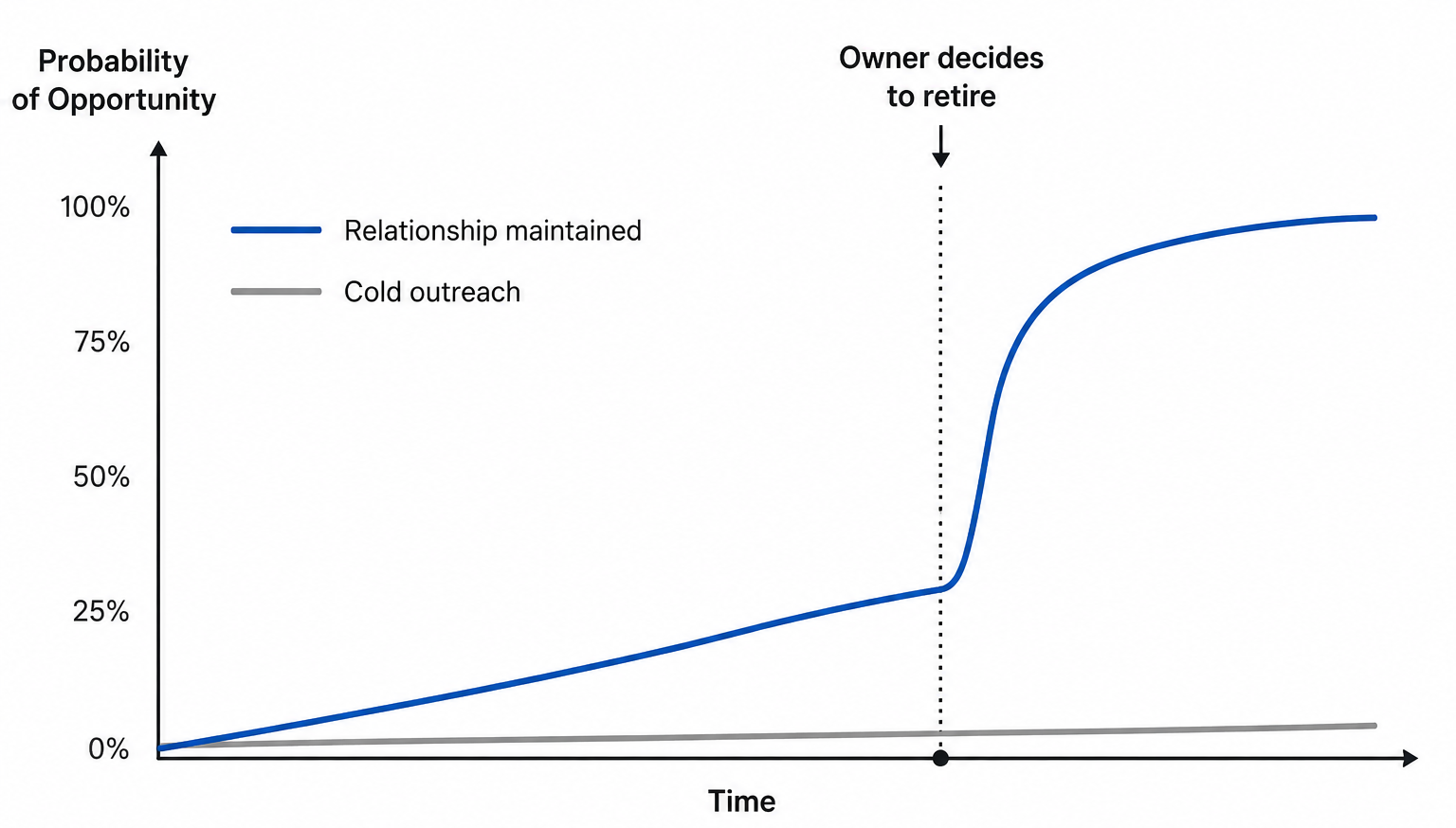
From all the conversations I've had with owners over the years, there's one constant I've noticed among all of them, off-market opportunities come from solutions to people problems rather than solutions to property problems. Whether that's being a silent buyer for the day or figuring out how to make an owners retirement plans more straightforward. Owners are often worried about the sale process itself, not just the price of the site. Understanding the owner's situation early on, and providing a solution that gives them a smooth sale will ensure you have a consistent pipeline of opportunities now and in the future.