In commercial property, it's where you are AND who you're with
There's the old saying, “it's not where you are, it's who you're with”, for commercial property both points apply: “it's where you are and who you're with”. Many buyers focus on the size of the unit, price, location, planning etc. Whilst all of these are important factors for your underwriting, access risk is often overlooked. Neighbouring land ownership and access arrangements can have a profound effect on the value of the site and its operations. There are four types of access risk that need to be factored in early on and these include physical, operational, security and exit risk.
Physical Constraints
Neighbouring land ownership impacts surrounding traffic and customer flow, especially if the site in question isn't self-contained and contains a shared road. This isn't always obvious, for example you may have a sub-station on your property and access has to be allowed for granted to the network operators that maintain it. Rights of way over your land are worth checking early on, especially for use cases like self-storage where customer goods are being stored on site or industrial use cases where goods are stacked on the exterior during business hours.
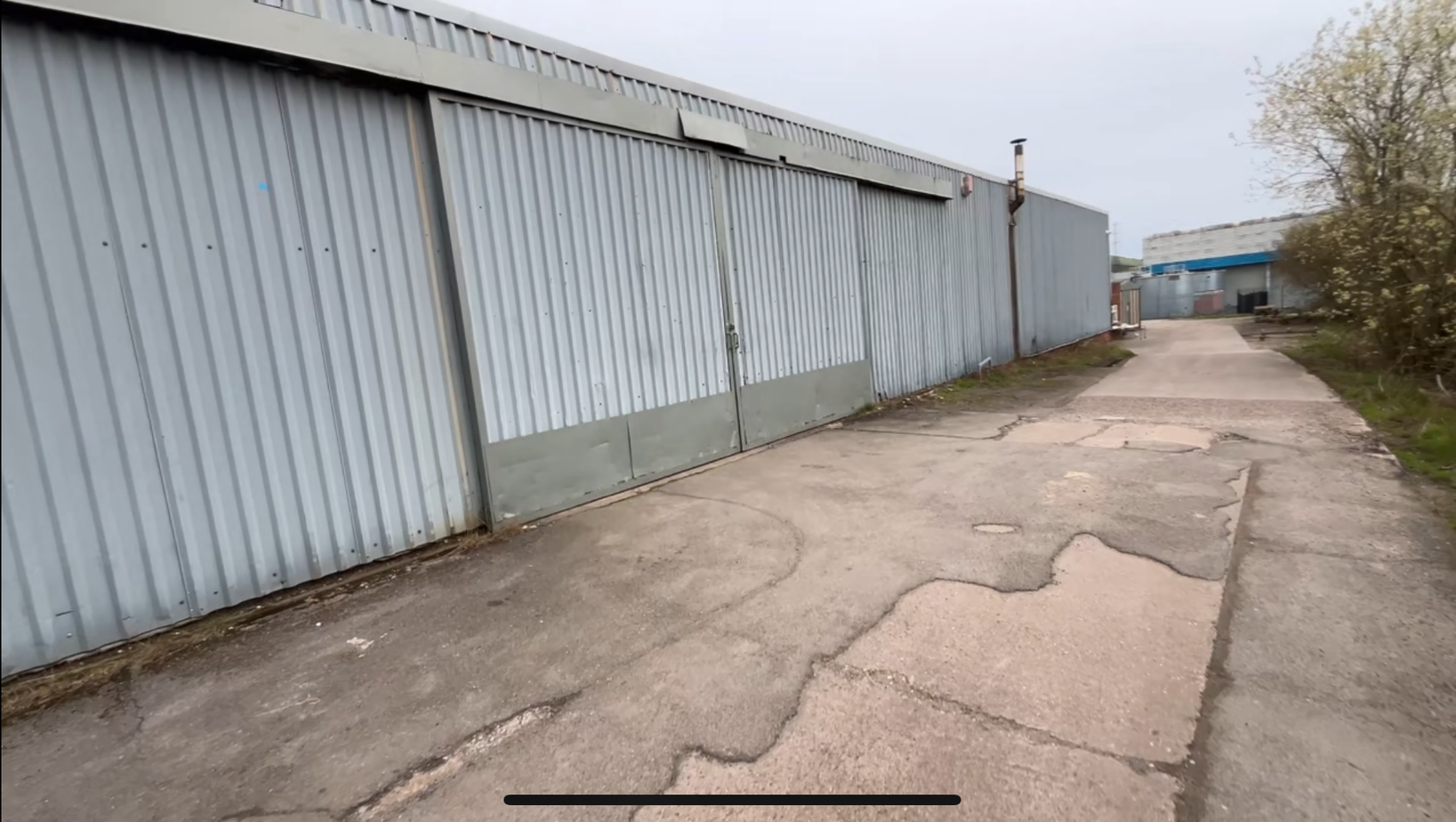
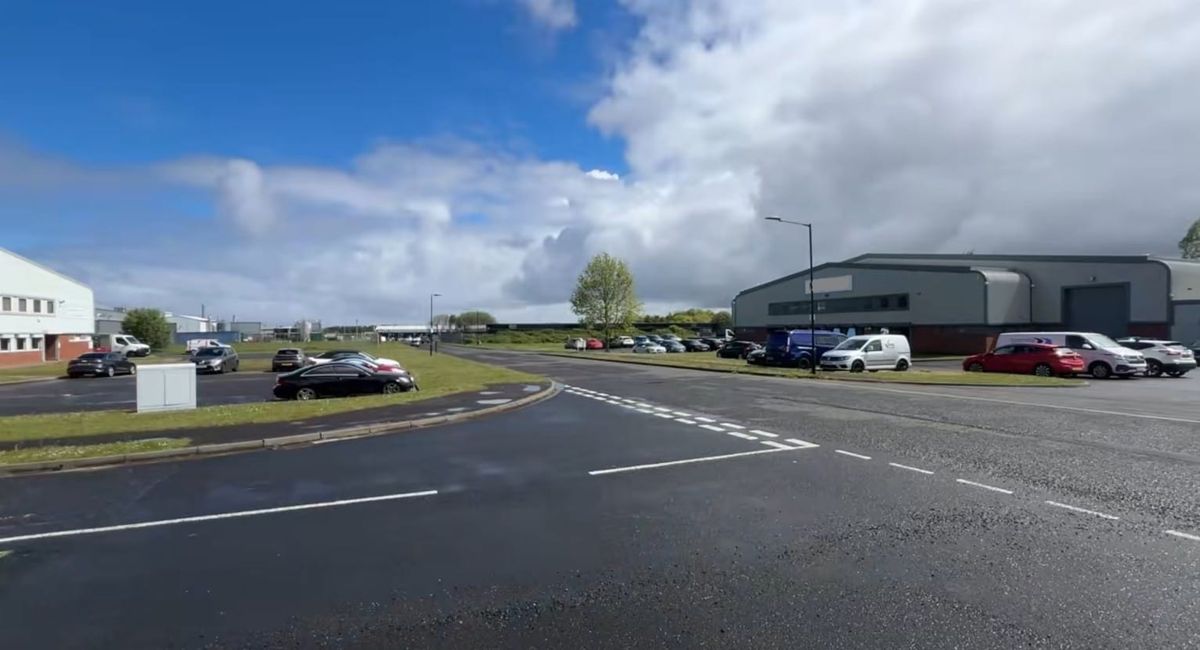
This site shared a side road with the neighbouring unit to the rear of the site which introduced some issues with title easements. More and more sites are becoming fully automated, and this reduces overhead substantially, especially for self-storage (whether your customers appreciate this is another question…). However, if you want to add fence and gating for customers to use, you may need the rights and planning permission to do so.
Operational Constraints
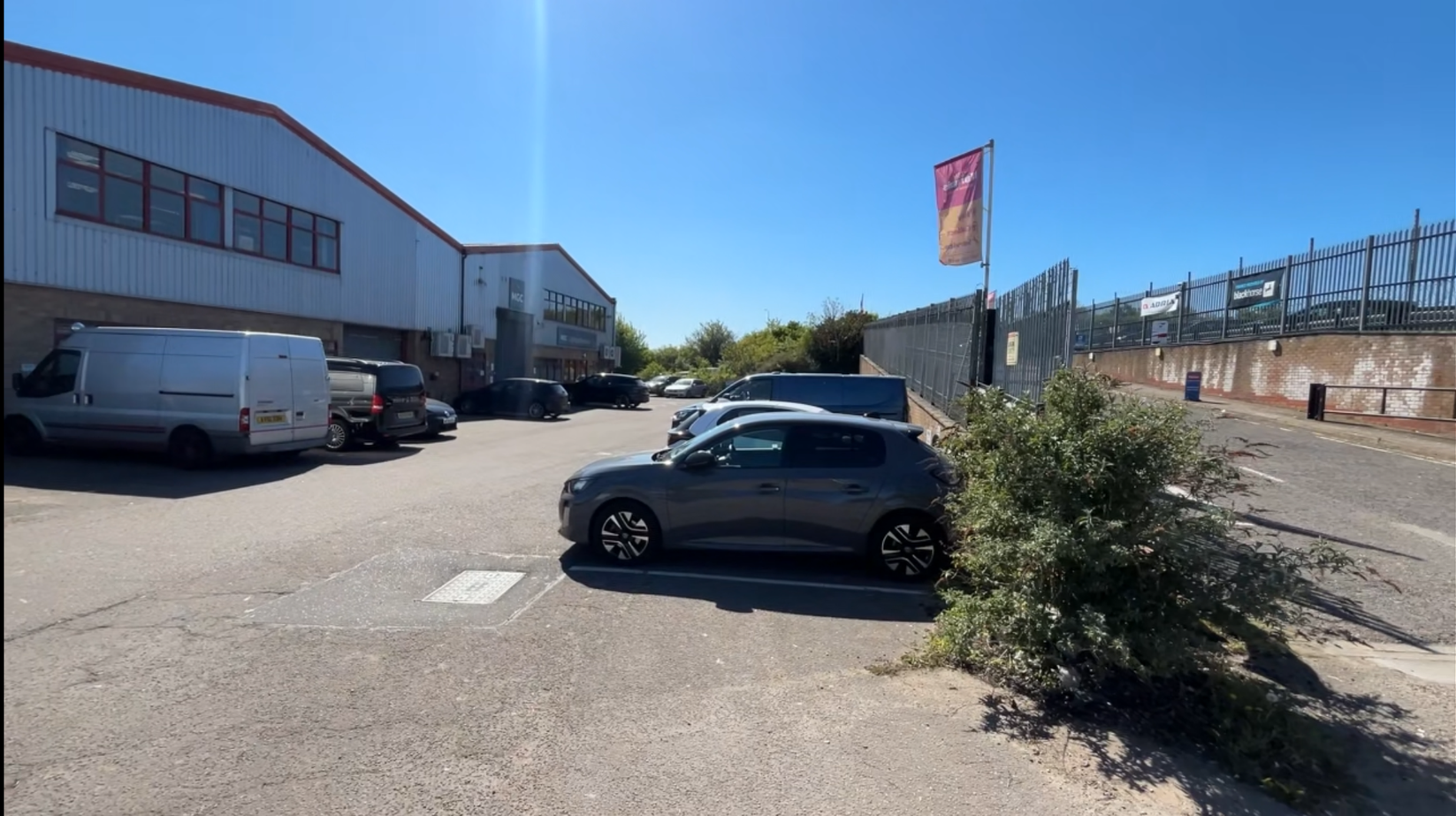
This is an example of where shared parking can be a sticking point with neighbouring units. The car park was split between 3 different units, all with different access times, business uses and customers. No-one wants multiple vans blocking customers or loud HGV's constantly passing through as this interrupts customer flow. There are rights you can enjoy over someone else's land, however, such as rights of way over their access road to motorways or A roads and rights to use a shared estate road.
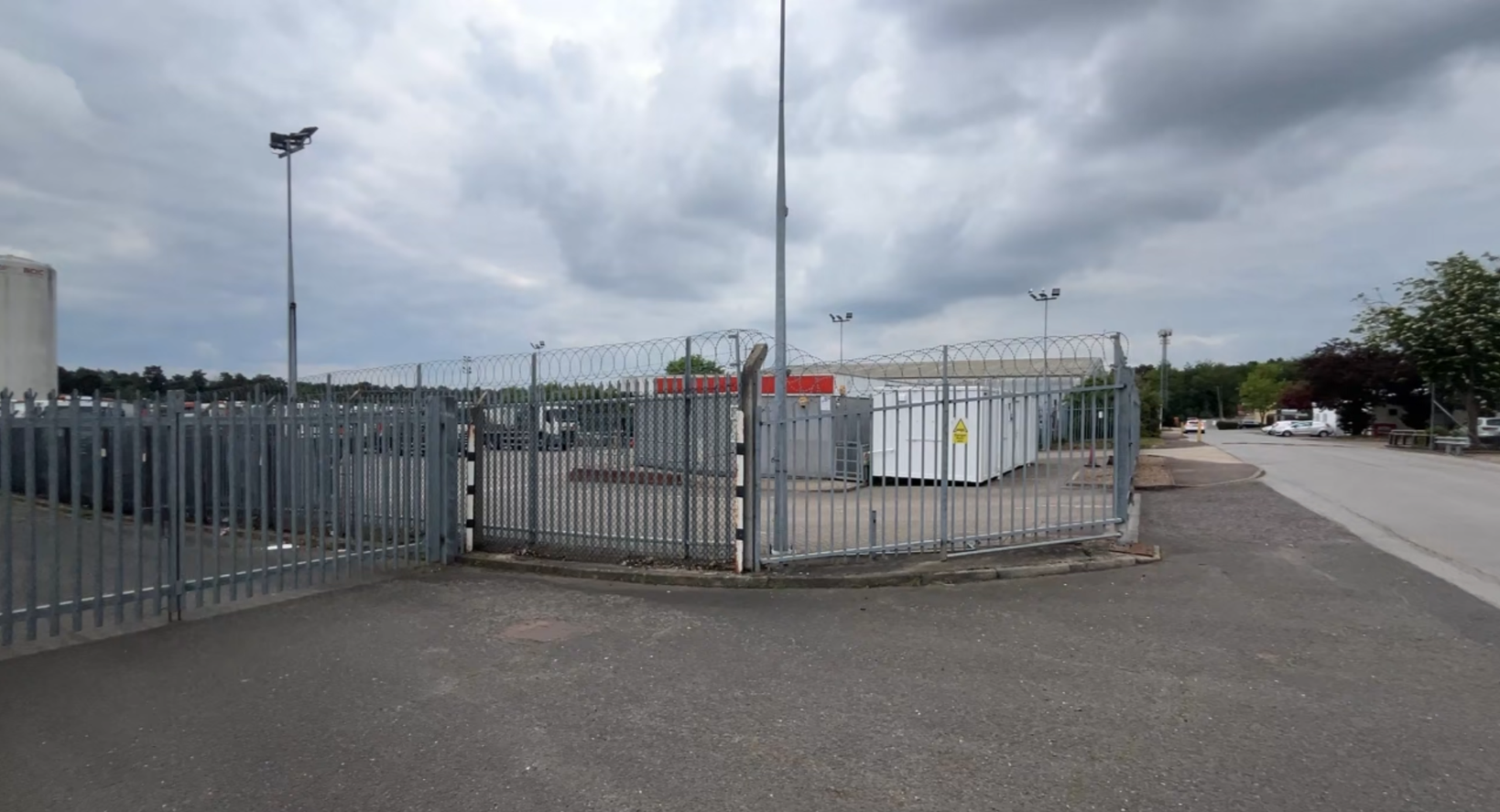
Where gates are directly accessible from the road and automation is used, there is queuing space on the road to consider. When it is a busy A or B road, you could end up with a line of customers blocking traffic flow. Every operator's dream is to have a consistent flow of traffic as it's free marketing (who knew heavy traffic could be a positive!), but only if planning will be approved for the intended use. Installing a gate further from the road can help with this to increase queuing space. Whether planning approval is required, is dependent on the location of the site, it's heights, conservation constraints and existing authorised use.
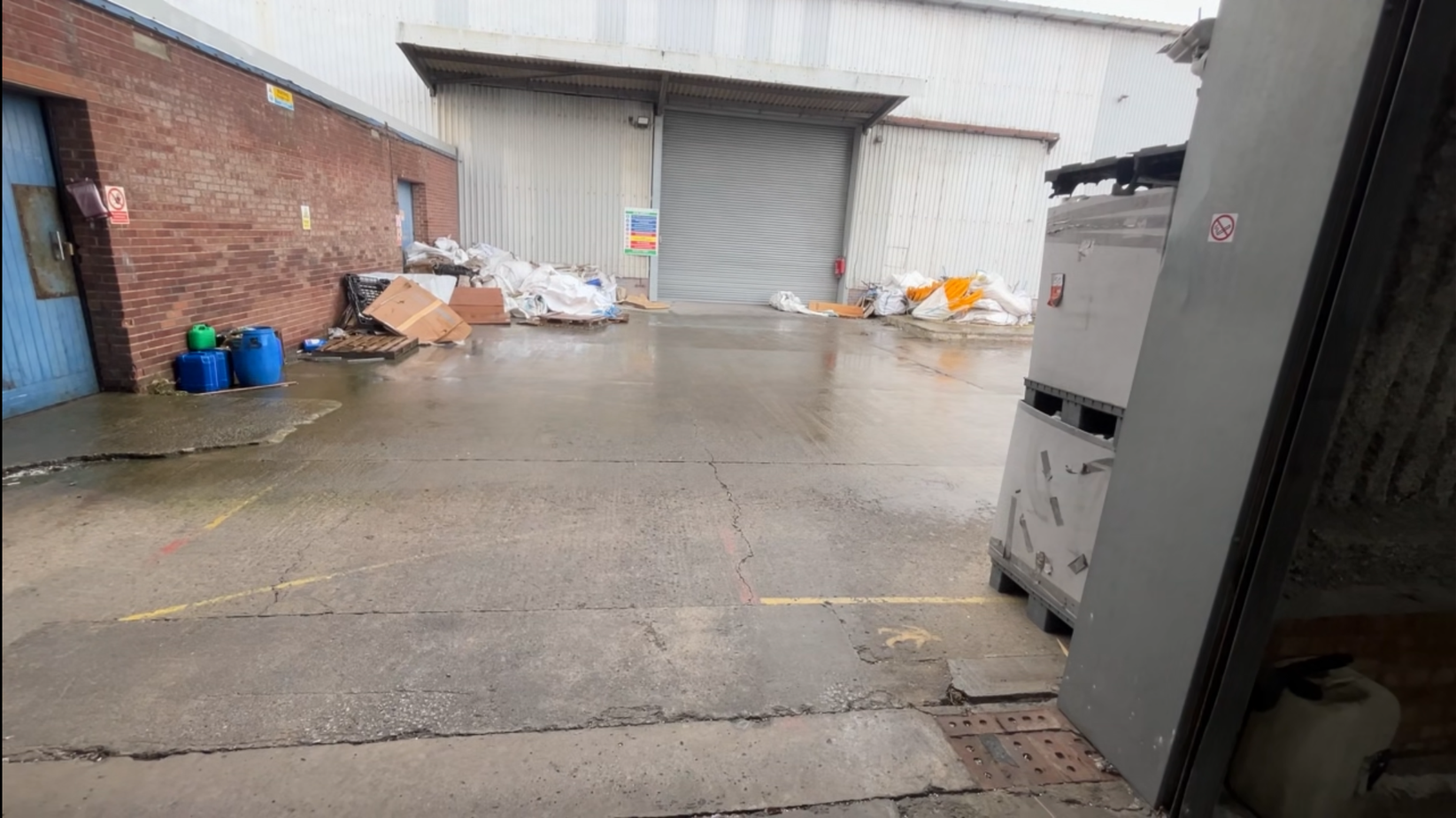
The turning circle available in the yard for your employees, suppliers, and customers also needs to be factored in to your site design. Awkward manoeuvring of vehicles results in a poor experience for all involved and can result in damage to fencing and nearby vehicles (and those insurance claims are not fun to deal with). The same can be said for the width of the road: is it wide enough for HGV's and delivery vans coming in and out of the property if these will be visiting regularly?
Security Risk
Shared title easements can have a big impact on security and future-proofing your site. But this introduces some sticking points: does your neighbour want a gate? Who pays to maintain it if it breaks? And how can this be agreed before buying the property so you're not locked into managing an insecure site? Whether your neighbours consent is needed depends on the title, easements, planning, and ownership structure of the site, but you can include terms in your offer for agreements with neighbouring units over gate/fencing installation if needed. The same can be said on consent of planning from the council for change of use (whether the seller will agree to it is another story!)
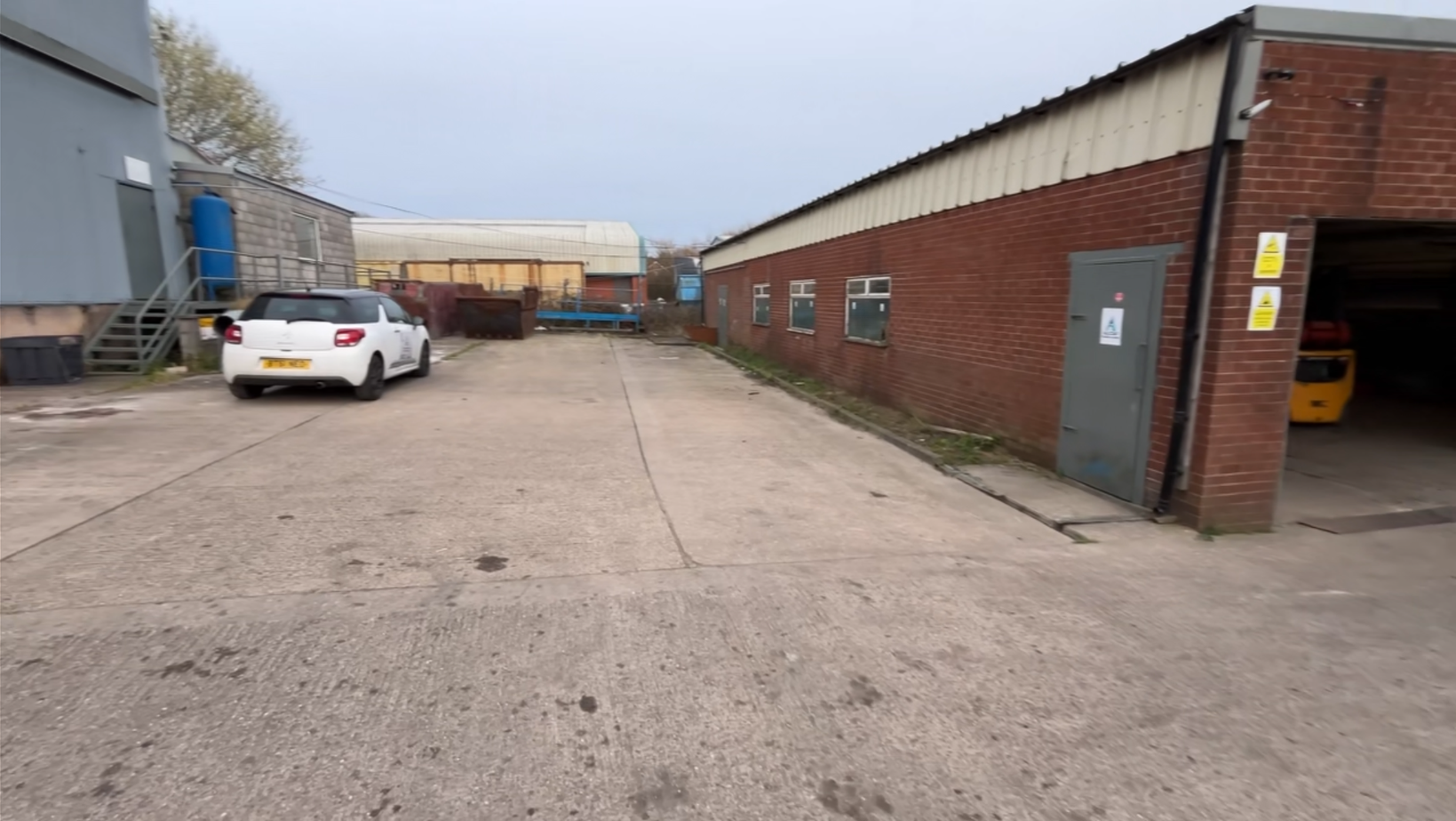
The site boundary for this property went right across the middle of the yard and access to both units was only available via a side road. When there's a shared site boundary, you'll need to factor in rights of way to prevent operational conflict, obstruction, or interference with rights. Expansion potential also needs to be considered in these scenarios as there is an opportunity cost associated with this. Having the ability to extend the existing building, create separate customer access routes and add containers is a powerful way to add additional value to your property over the long term.
Exit Risk
There's also legal aspects to consider around ownership of the access road in question. Many industrial estates have restricted access, especially if they're more secure (not necessarily a bad thing, depending on the use). However, if your business requires supplier or customer access after-hours or on weekends this can have a big impact on your businesses operations. If you intend to run a 24/7 operation, this is worth finding out from the agent or owner early on. If they aren't sure, reviewing any title easements or checking with a neighbour or the estate management company is essential.
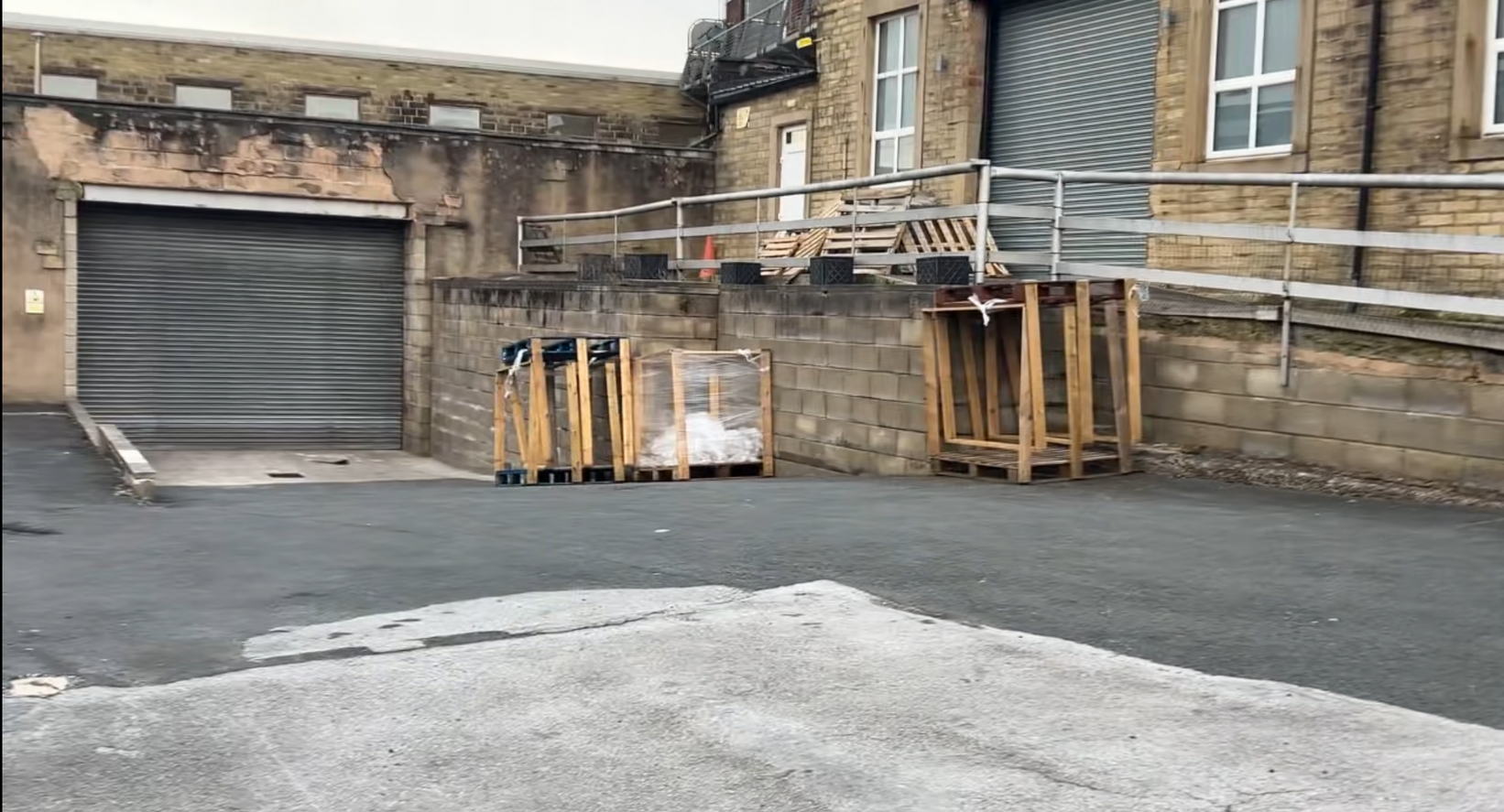
This site was a mixed bag to say the least. The yard wasn't included in title, meaning an informal agreement was in place that the front yard could be used (to be honest I'm not sure who else could access it unless someone airdropped a package in, but it still wasn't ideal!). The site had a flat block situated above it and an industrial unit to the right.
This introduces questions around financing and a future sale: will a lender or future buyer be comfortable with the title easements and how will this impact the exit value or refinancing of the site. Informal agreements with neighbours over yards and any unrestricted access can reduce lender appetite and valuation, but some can be more flexible than others.
The key takeaway is that that access affects far more than whether someone can physically enter a site, whether it be operations, security, financing or future value. Not every site can enjoy access benefits and this doesn't necessarily make it a bad investment, but ensuring the access of the site aligns with your business model and protects your brand image should be factored into your underwriting.